
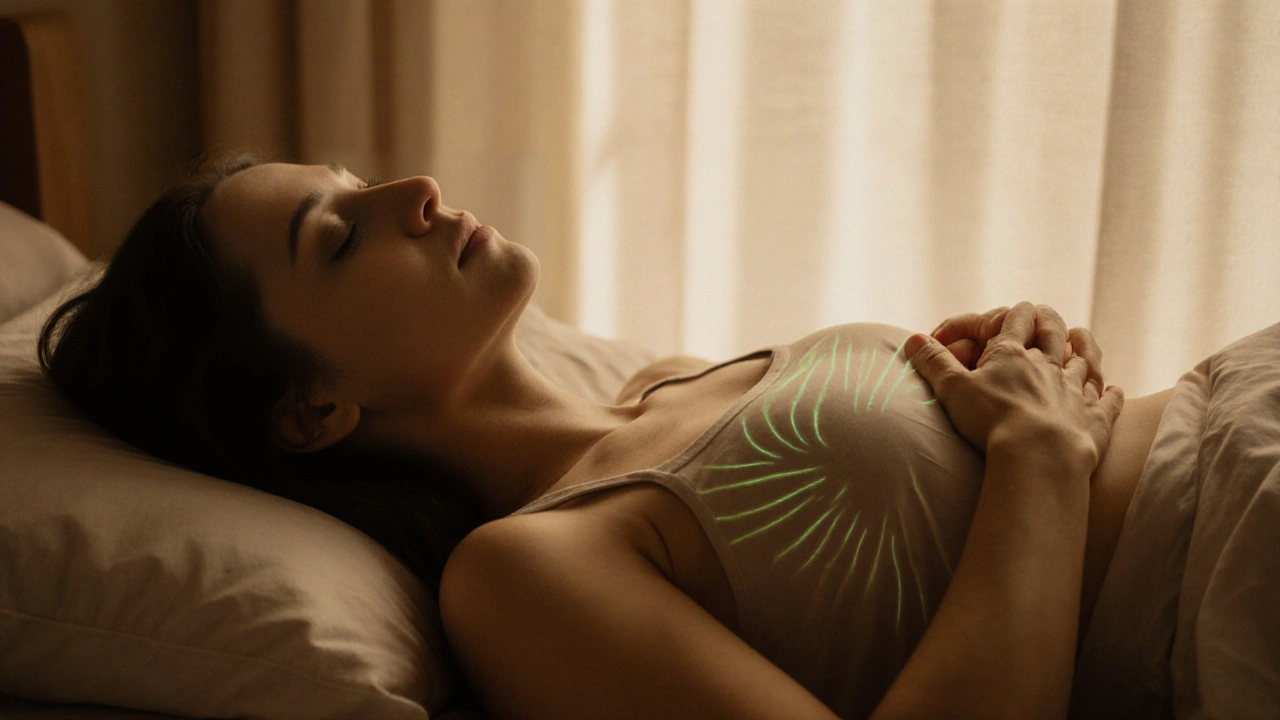
Uvolnění pánevního pancíře dotekem je klíč k obnově tělesné rovnováhy. Naučte se rozlišovat napětí a uvolnění, přestat posilovat a začít naslouchat. Tělo si pamatuje trauma - a teď má možnost se uvolnit.
When you hear fyzioterapie, lékařsky podložená metoda léčby pohybového aparátu a obnovy funkce těla. Also known as fyzikální léčba, it is not about relaxation or sensuality—it’s about fixing what’s broken. This is the work of licensed professionals who use evidence-based techniques to treat injuries, chronic pain, and mobility issues after surgery or trauma. If you’re dealing with a stiff neck from sitting all day, a torn muscle from sports, or back pain after pregnancy, fyzioterapie isn’t optional—it’s necessary.
It’s easy to confuse fyzioterapie with tantrická masáž or masáž tělo na tělo, but they’re not the same. Fyzioterapie follows medical protocols: it includes mobilization, kinesiotaping, electrotherapy, and targeted exercises. A fyzioterapeut will ask about your medical history, measure your range of motion, and create a plan based on your diagnosis. Tantrická masáž? That’s about presence, energy, and emotional release. One heals your spine. The other helps you feel alive again. You don’t need a doctor’s referral for an erotic massage—but you do for real fyzioterapie.
People in Prague often mix them up because both involve touch. But one is science. The other is experience. Fyzioterapie doesn’t use scented oils or candlelight. It uses ultrasound machines, resistance bands, and clinical assessments. It’s not about what you feel in the moment—it’s about what you can do a month later. Can you lift your child? Walk without pain? Sleep on your side? That’s the goal.
If you’ve been to a salon offering "therapeutic massage" but left no better than before, you might’ve paid for something that looks like fyzioterapie but isn’t. Real fyzioterapie happens in clinics, not salons. It’s regulated. Practitioners have degrees. They’re part of the healthcare system. You can even get partial reimbursement from your insurance.
That’s why this collection matters. You’ll find posts about tantrická masáž, GFE, and flirt dance masáž—techniques that help with emotional blocks, trauma, and intimacy. But you won’t find one claiming to replace a physiotherapist. We’re not here to sell you false promises. We’re here to help you understand the difference—so you know when to seek healing, and when to seek connection.
Uvolnění pánevního pancíře dotekem je klíč k obnově tělesné rovnováhy. Naučte se rozlišovat napětí a uvolnění, přestat posilovat a začít naslouchat. Tělo si pamatuje trauma - a teď má možnost se uvolnit.